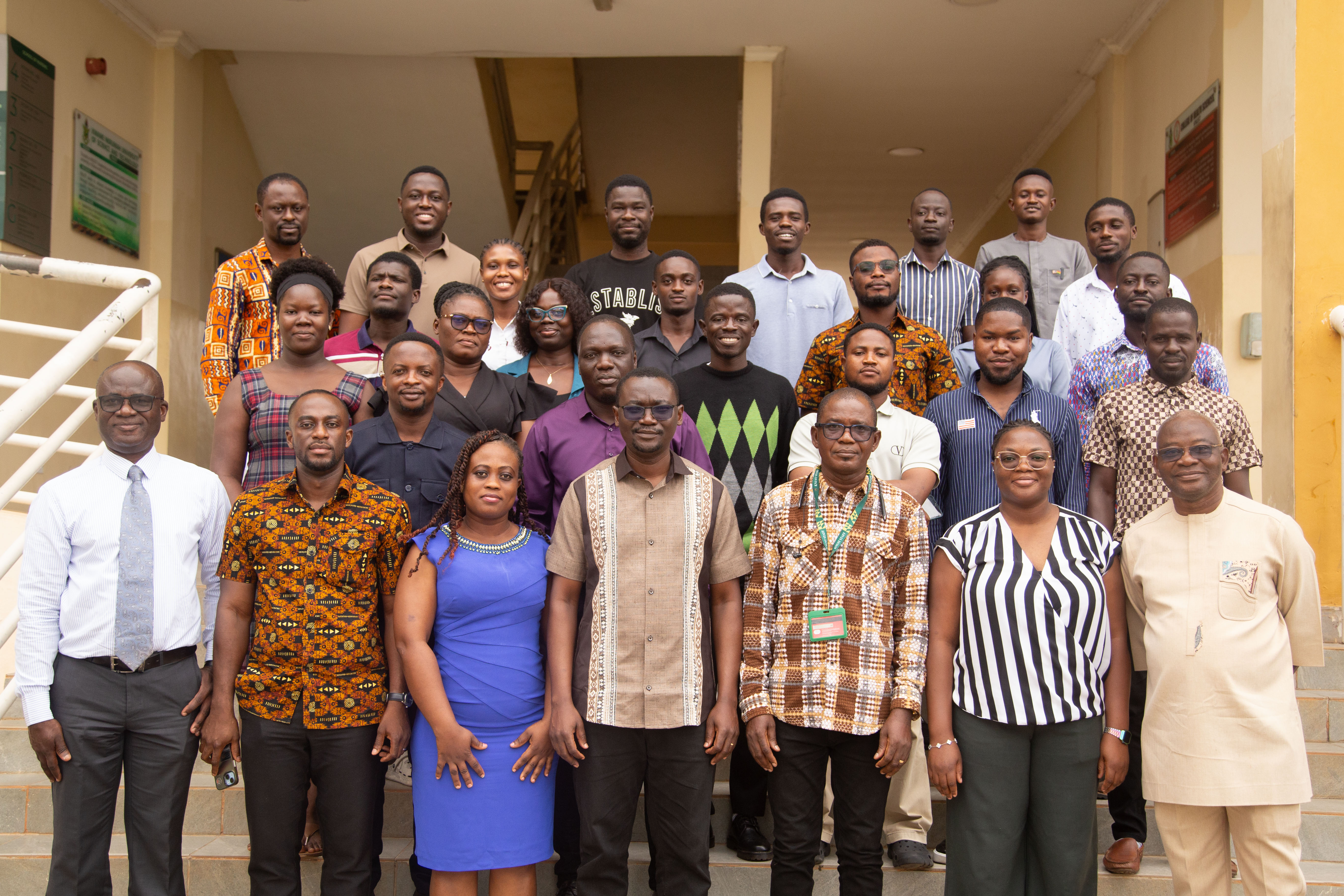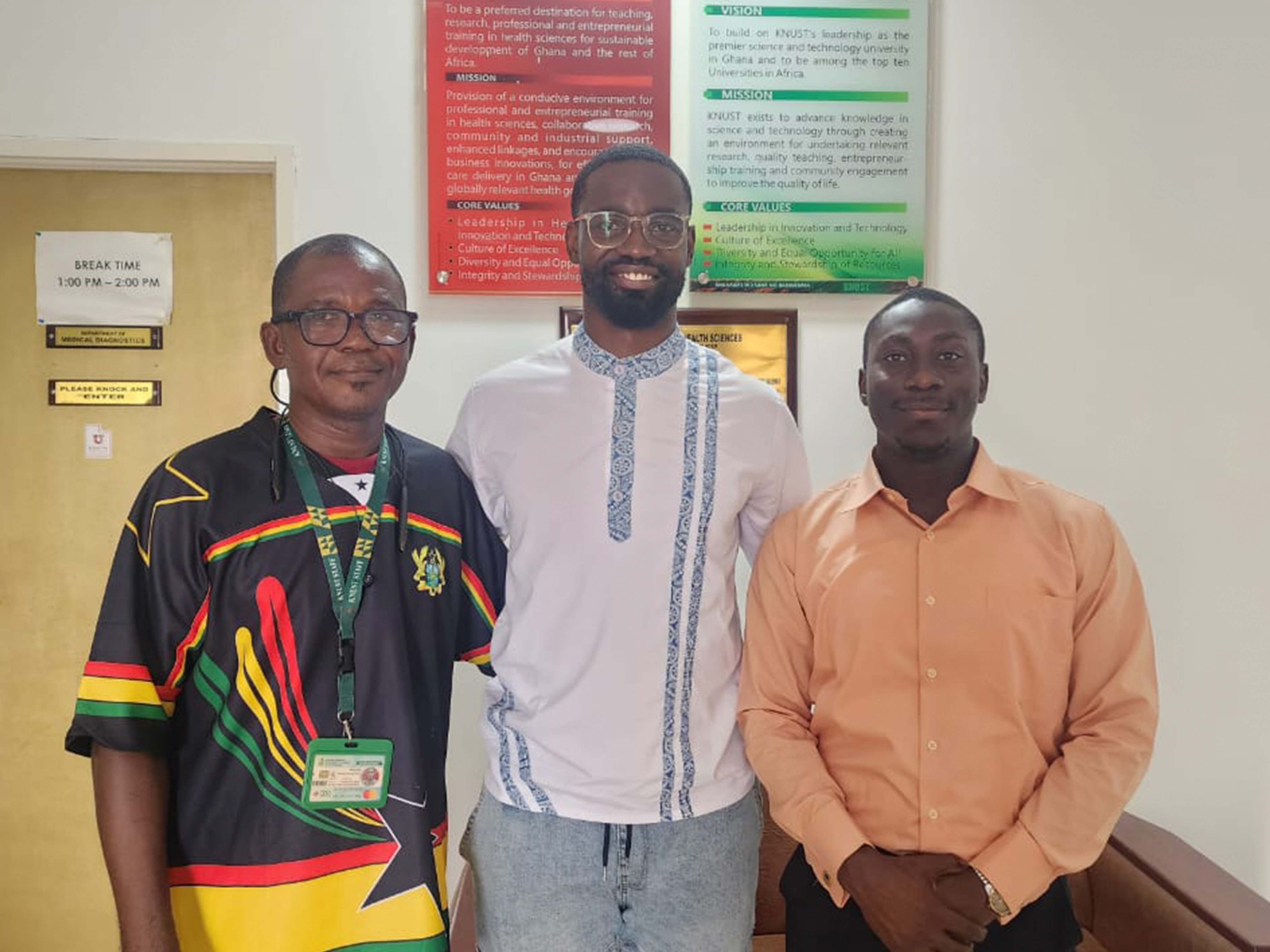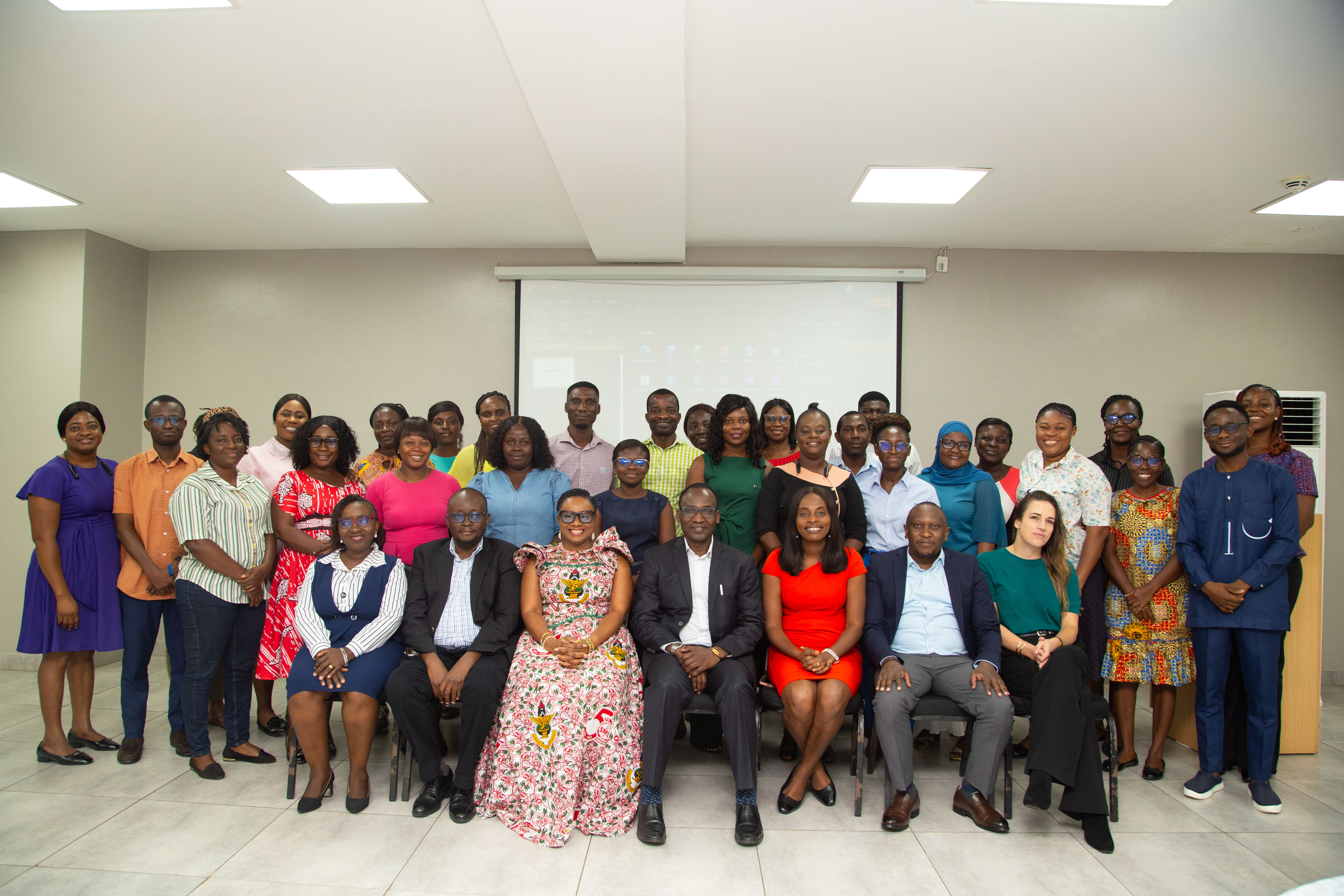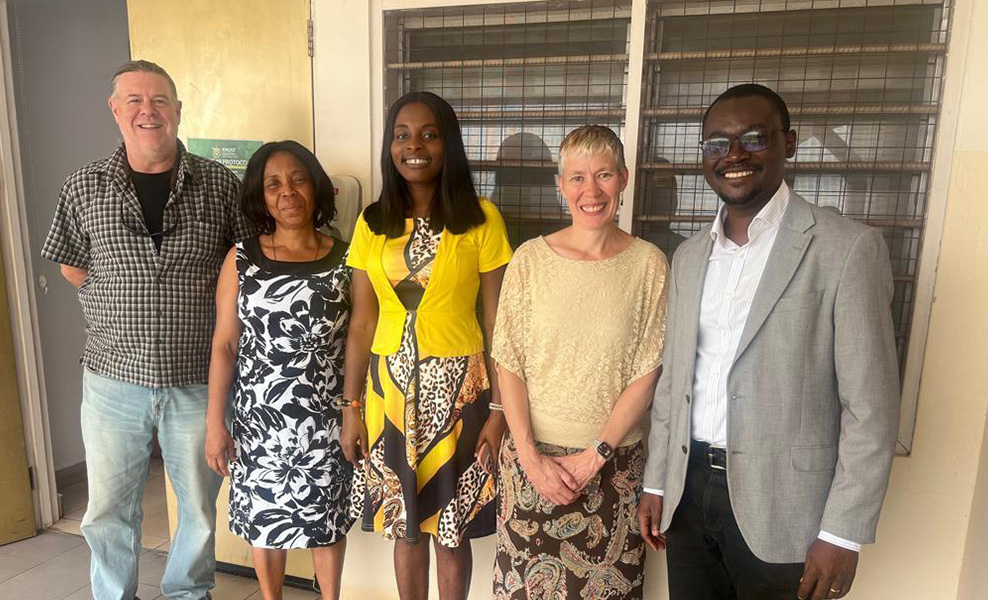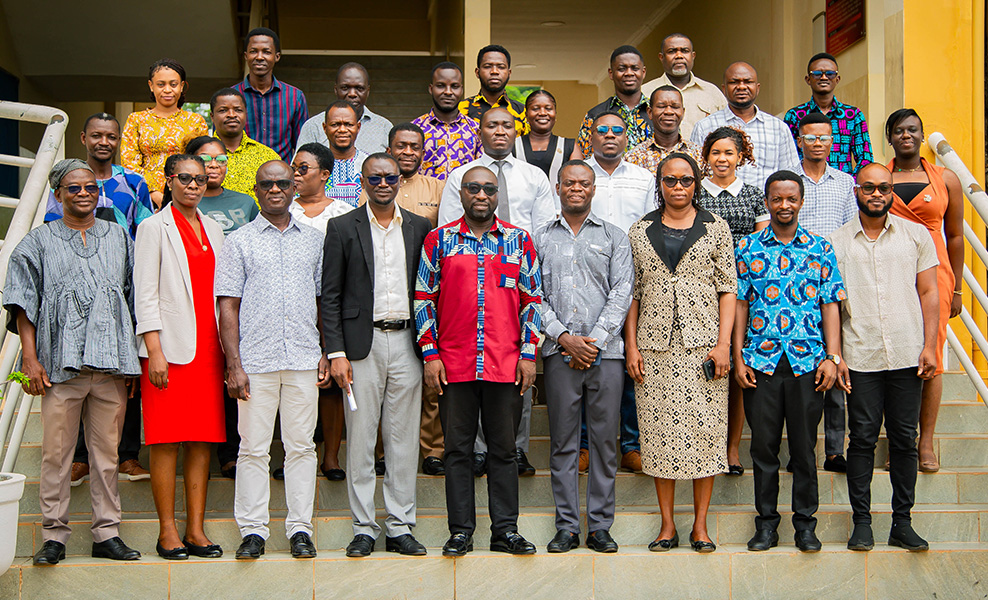
KNUST College of Health Sciences, through its Genomic and Infectious Disease Laboratory and the Centre for Health System Strengthening, has successfully organized a comprehensive training programme on Molecular Diagnostics and Pneumococcal Rapid Diagnostic Test (RDT)/PCR techniques for healthcare and laboratory professionals.
The five-day training programme, held from May 18 to May 23, 2026, brought together participants and facilitators from academia, laboratory practice, and public health institutions to strengthen capacity in infectious disease diagnostics and laboratory quality assurance. The programme was organized in collaboration with Johns Hopkins Program for International Education in Gynaecology and Obstetrics (Jhpiego) and the Ghana Health Service.
Hosted at the KNUST School of Nursing and Midwifery Conference Room and the Genomic and Infectious Disease Laboratory (GIDL) of KNUST, the training focused on equipping participants with practical and theoretical knowledge in molecular diagnostic methods, pneumococcal RDT operations, sample handling, nucleic acid extraction, PCR setup, amplification, and interpretation.
The opening session featured remarks from key stakeholders, including Dr. Michael Owusu, Mr. David Sambian, Dr. James Sarkodie, and Dr. Mrs. Elizabeth Sorvor, while the Dean of the Faculty of Allied Health Sciences, Professor Yaw Amo Wiafe, officially welcomed participants to the programme.

Throughout the training, facilitators led participants through critical areas of modern infectious disease diagnostics. Sessions covered diagnostic methods for priority diseases, sample collection and transportation protocols, and the role of Rapid Diagnostic Tests in disease diagnosis. Participants also engaged in hands-on laboratory sessions on pneumococcal RDT operations and scenario-based group activities.
The second and third days of the programme concentrated on molecular diagnostic techniques, including PCR principles, nucleic acid extraction workflows, master mix preparation, gel electrophoresis, and PCR amplification interpretation. Facilitators emphasized quality assurance and Good Documentation Practices (GDocP) for molecular laboratories to ensure accuracy and reliability in laboratory diagnostics.
The training concluded with a post-test assessment, participant evaluations, and a closing ceremony during which certificates were presented to participants. Closing remarks were delivered by Dr. Michael Owusu and Dr. Christopher Nkrumah, Laboratory Advisor at Jhpiego.
Key facilitators and resource persons for the training included Dr. Benedict Sackey, Dr. Kennedy Gyau, Mr. Richard Larbi, Mr. Richard Owusu Ansah, and members of the training support team, whose expertise contributed significantly to the success of the programme.
The initiative underscores KNUST College of Health Sciences’ commitment to advancing laboratory science education, strengthening diagnostic capacity, and supporting Ghana’s preparedness and response to infectious diseases through collaborative training and research-driven partnerships.