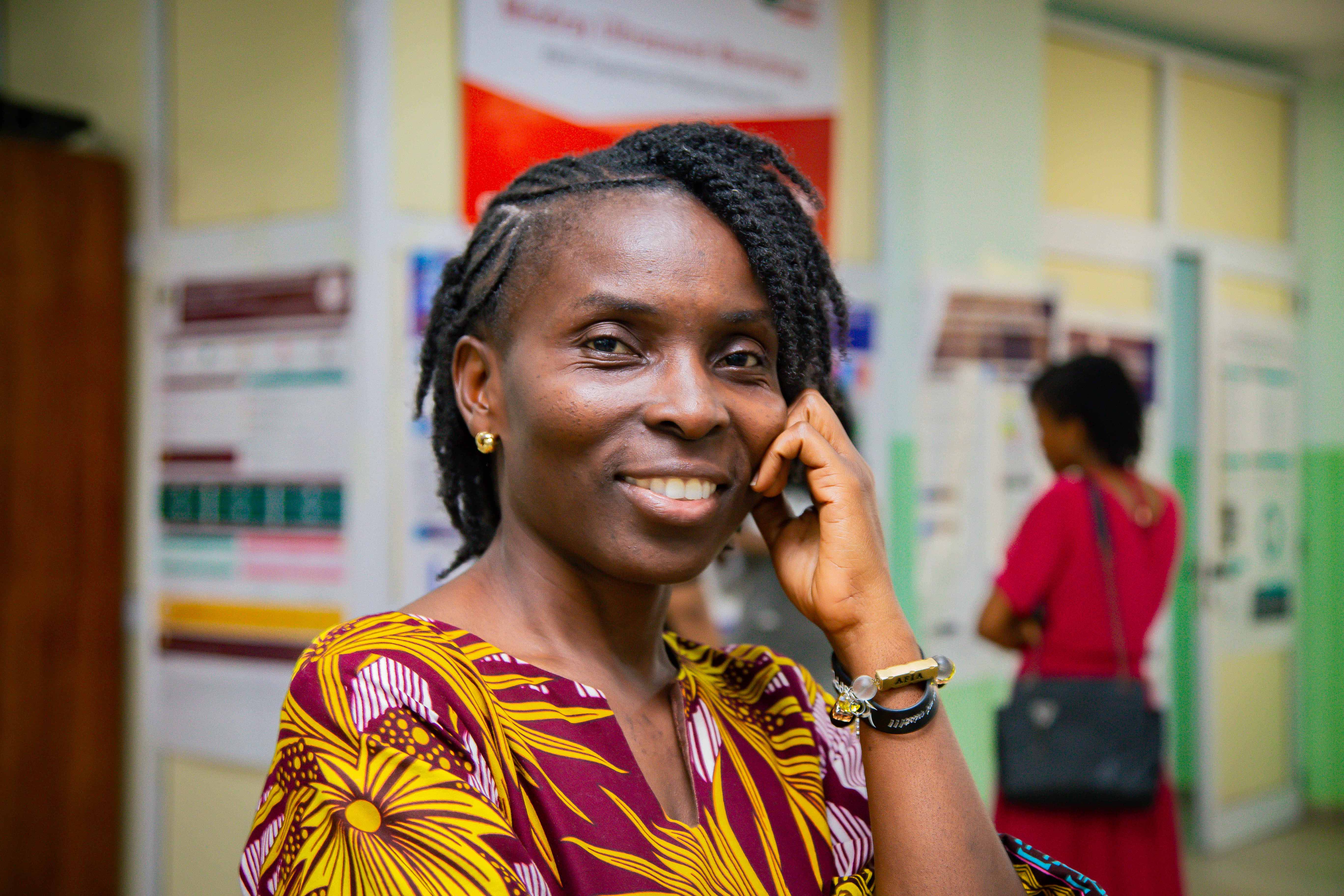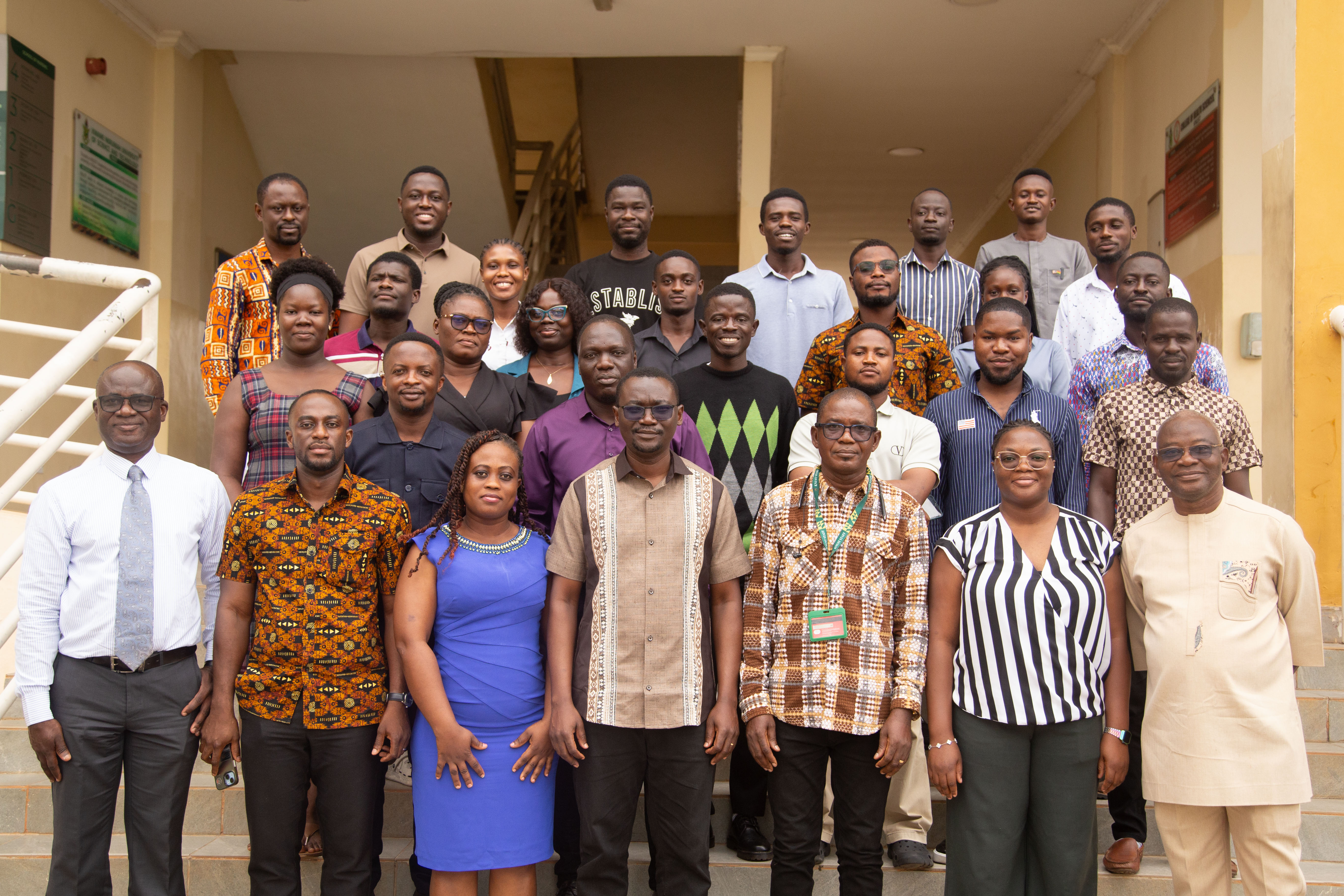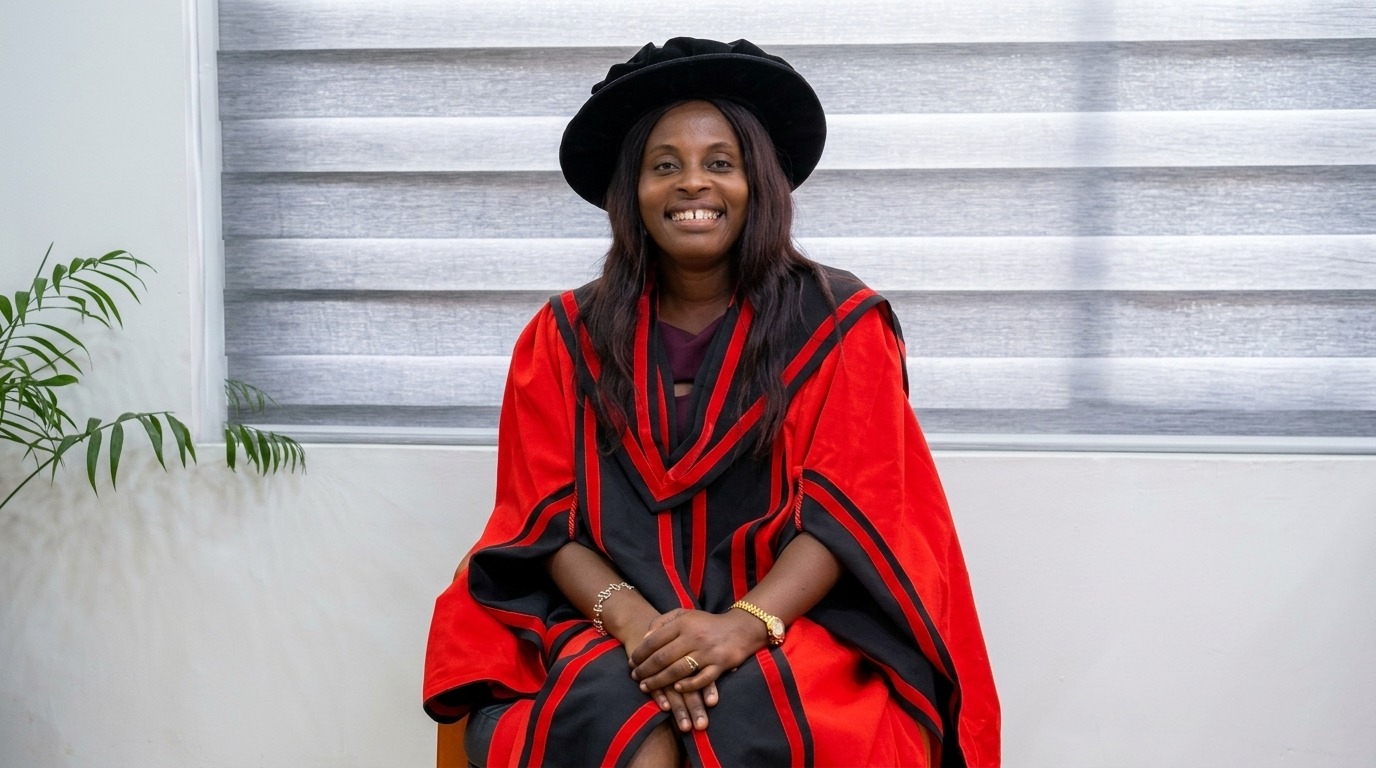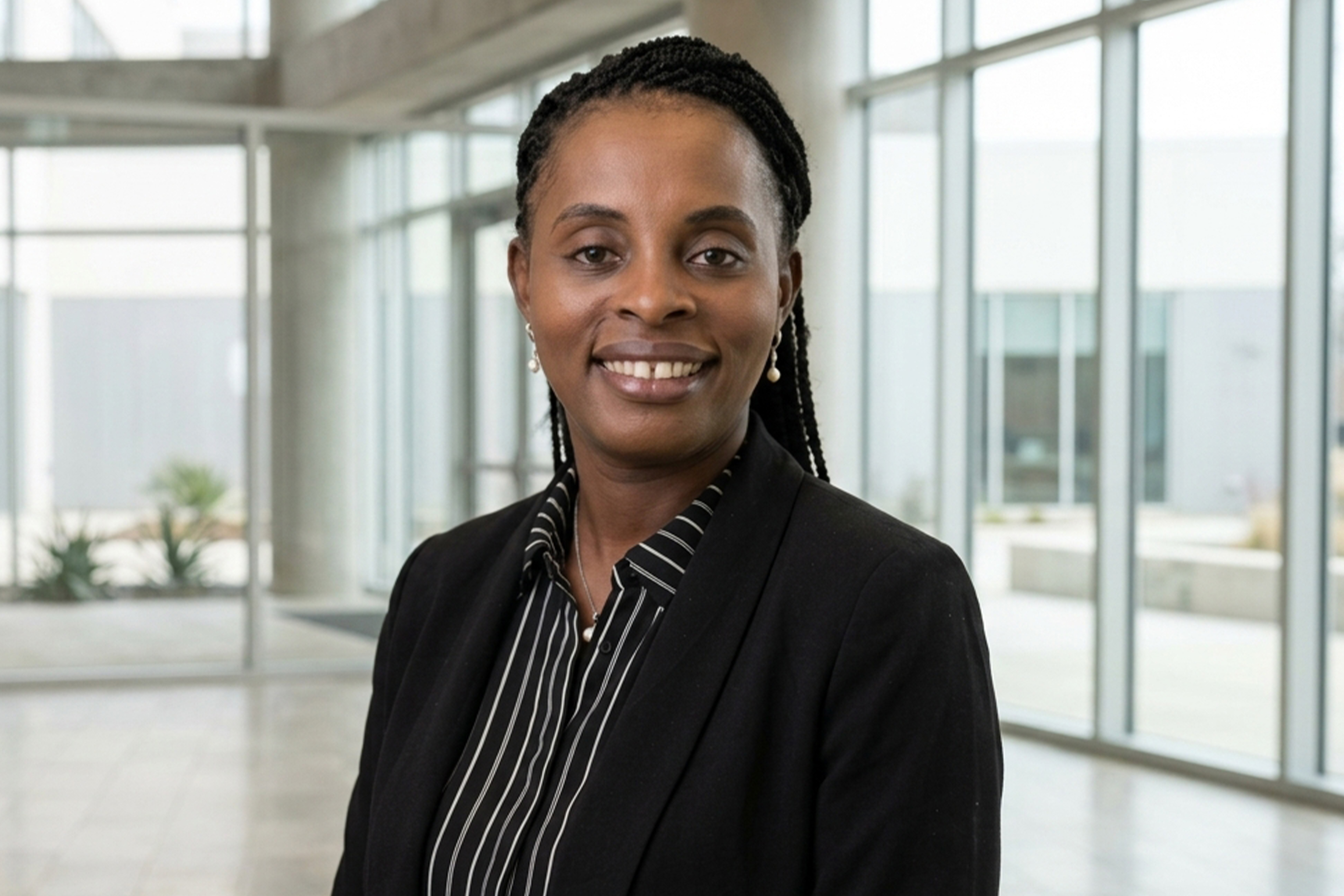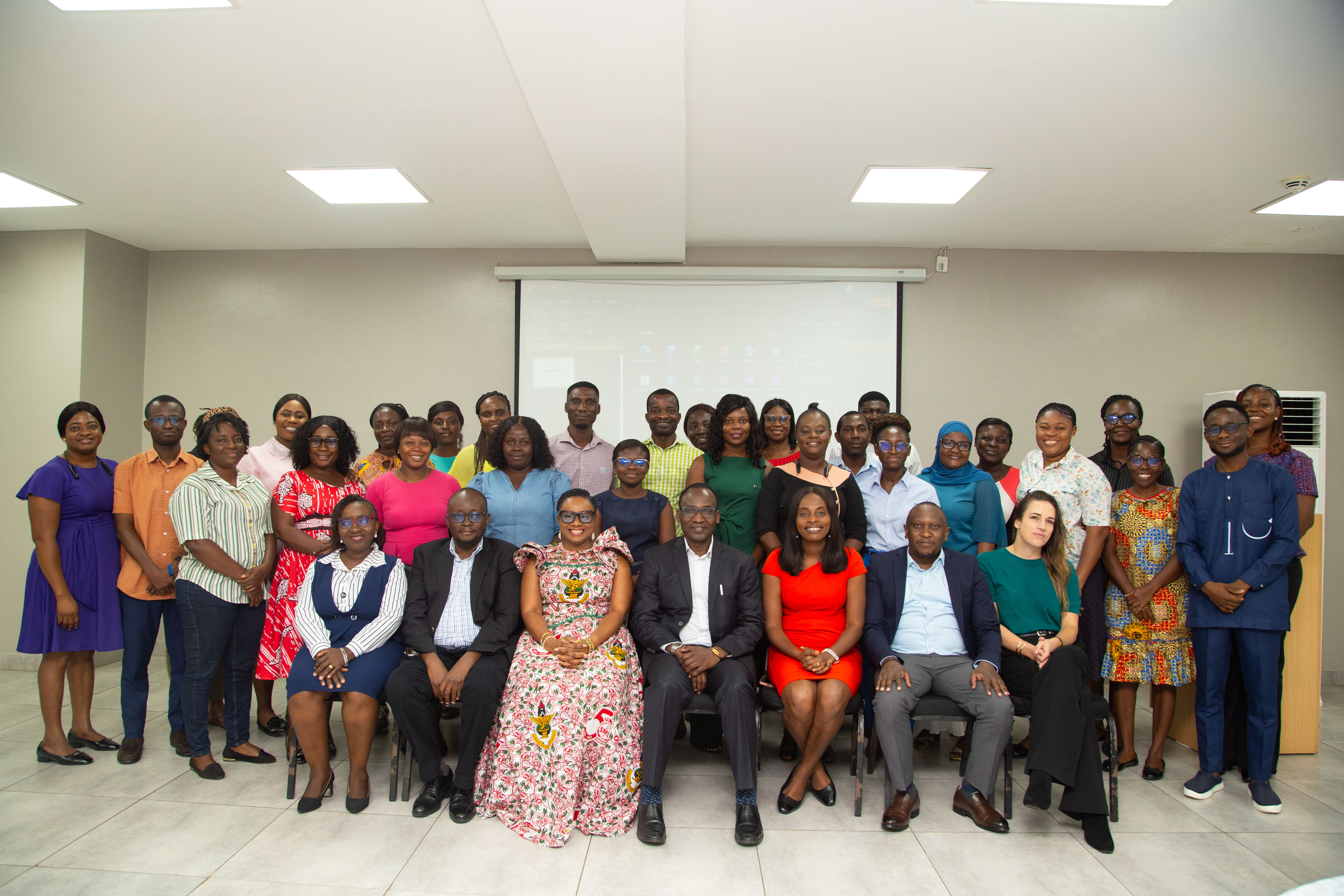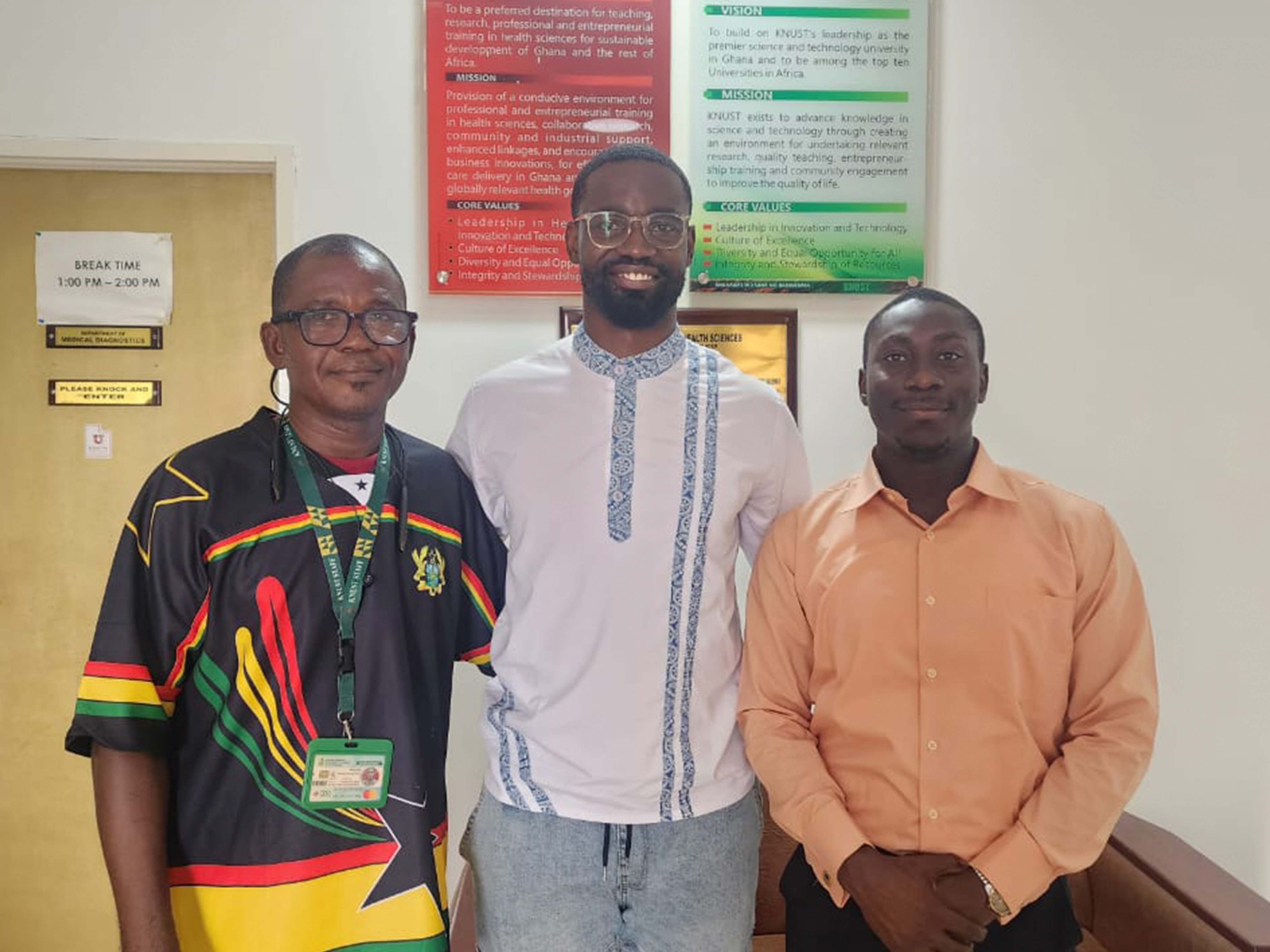
The Department of Physiotherapy and Sports Science at the Kwame Nkrumah University of Science and Technology (KNUST) has strengthened its commitment to collaborative, technology-driven health research by hosting Tshepo Yane, a PhD candidate in Mechanical Engineering at the University of Michigan, during the summer.
Tshepo’s research visit brought together expertise in biomechanics, physiotherapy, engineering and digital technologies, with a shared focus on developing practical and accessible approaches to understanding human movement and improving clinical decision-making.
Working under the mentorship of Professor Monday O. Moses and Mr. Prince De-Gualle Deku, Tshepo undertook a pilot study exploring how biomechanics assessments can be taken beyond the traditional laboratory environment. His broader research focuses on data-driven modelling and low-cost sensing technologies designed to capture and analyse human movement in ways that can ultimately support clinical practice.
A key component of his work at KNUST centred on the sit-to-stand movement, a simple but clinically meaningful everyday activity frequently used by health professionals to assess lower-limb function. The study combined markerless computer vision, wearable inertial measurement unit (IMU) sensing and biomechanical modelling to measure centre-of-mass motion during sit-to-stand tasks.
By integrating these technologies, the pilot sought to demonstrate how movement assessment could become more practical, portable and accessible outside specialised biomechanics laboratories. The approach has the potential to support future research and clinical applications where sophisticated laboratory equipment may not be readily available.
For Tshepo, the motivation extends beyond technological innovation. Inspired by his upbringing in Botswana, he is particularly interested in developing technologies that can be deployed in real-world settings and benefit communities beyond traditional research environments.
The KNUST pilot study provides an important foundation for future field-based research involving older adults. Such studies could investigate changes in movement strategies that may help researchers and clinicians identify early indicators of functional decline and fall risk. In the longer term, the research could contribute to the development of accessible clinical tools for movement assessment, particularly in settings where conventional laboratory-based systems are difficult to deploy.
Tshepo’s research is guided by his advisors, Professor Alex Shorter and Professor Kira Barton, at the University of Michigan, and supported by the University’s Global Health Design Initiative. The collaboration with KNUST reflects the value of interdisciplinary and international partnerships in addressing healthcare challenges through innovative, context-sensitive technologies.
The Department of Physiotherapy and Sports Science’s engagement with Tshepo’s research also underscores KNUST’s growing role in fostering collaborations that connect health sciences with engineering, technology and data-driven innovation.
As healthcare increasingly embraces digital technologies and evidence-based approaches, collaborations of this nature demonstrate how interdisciplinary research can help bridge the gap between laboratory innovation and practical healthcare solutions. For KNUST’s College of Health Sciences, the partnership represents another step towards advancing research that is not only scientifically rigorous but also responsive to the needs of communities in Ghana and across the African continent.