40 Veterinary Laboratory Personnel Equipped with Molecular Diagnostic Skills to Detect High-Consequence Pathogens
The College of Health Sciences at the Kwame Nkrumah University of Science and Technology (KNUST), through its Genomic and Infectious Disease Laboratory (GIDL), has strengthened Ghana’s capacity to detect and respond to zoonotic disease threats with an intensive molecular diagnostics training programme for 40 veterinary laboratory personnel.
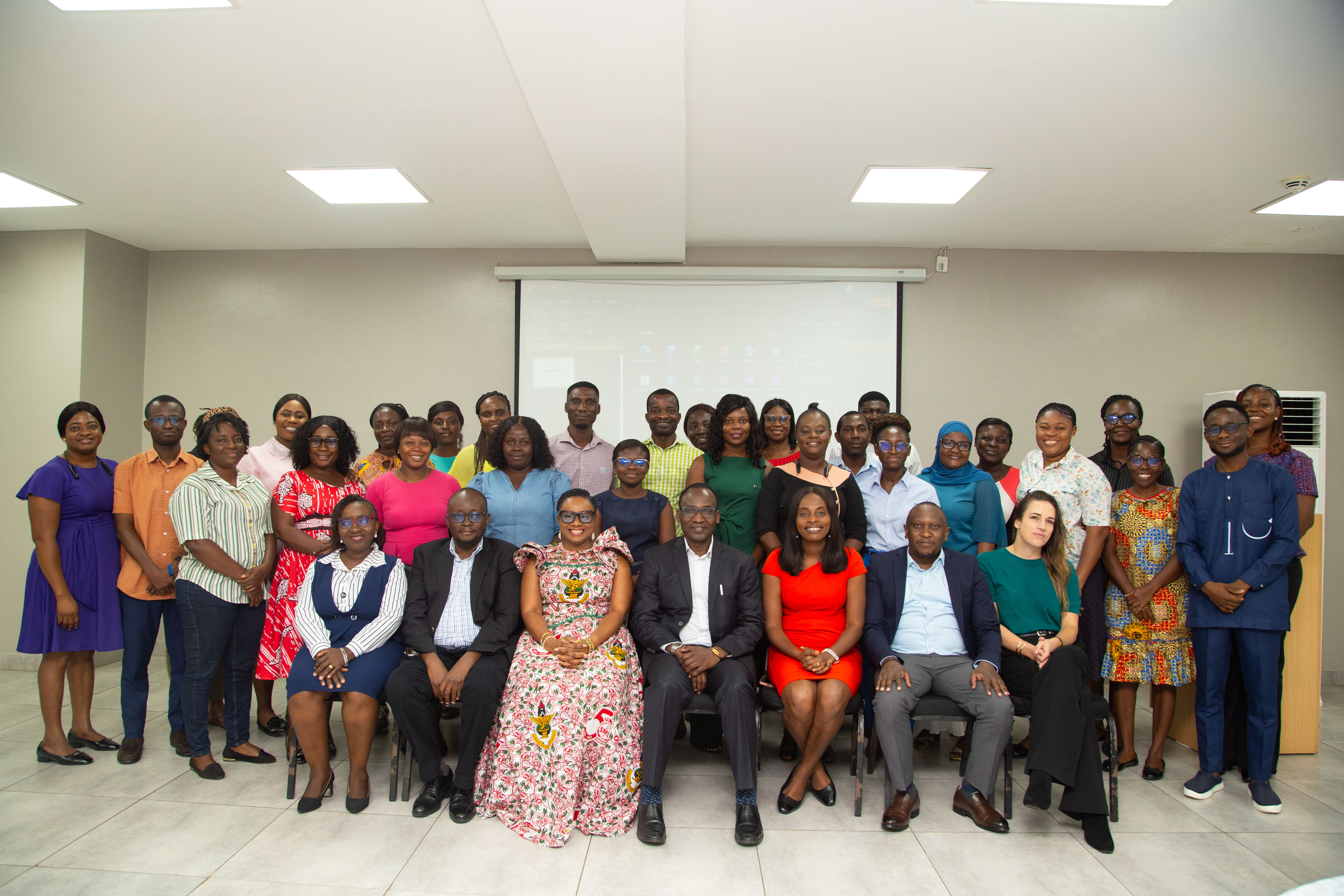
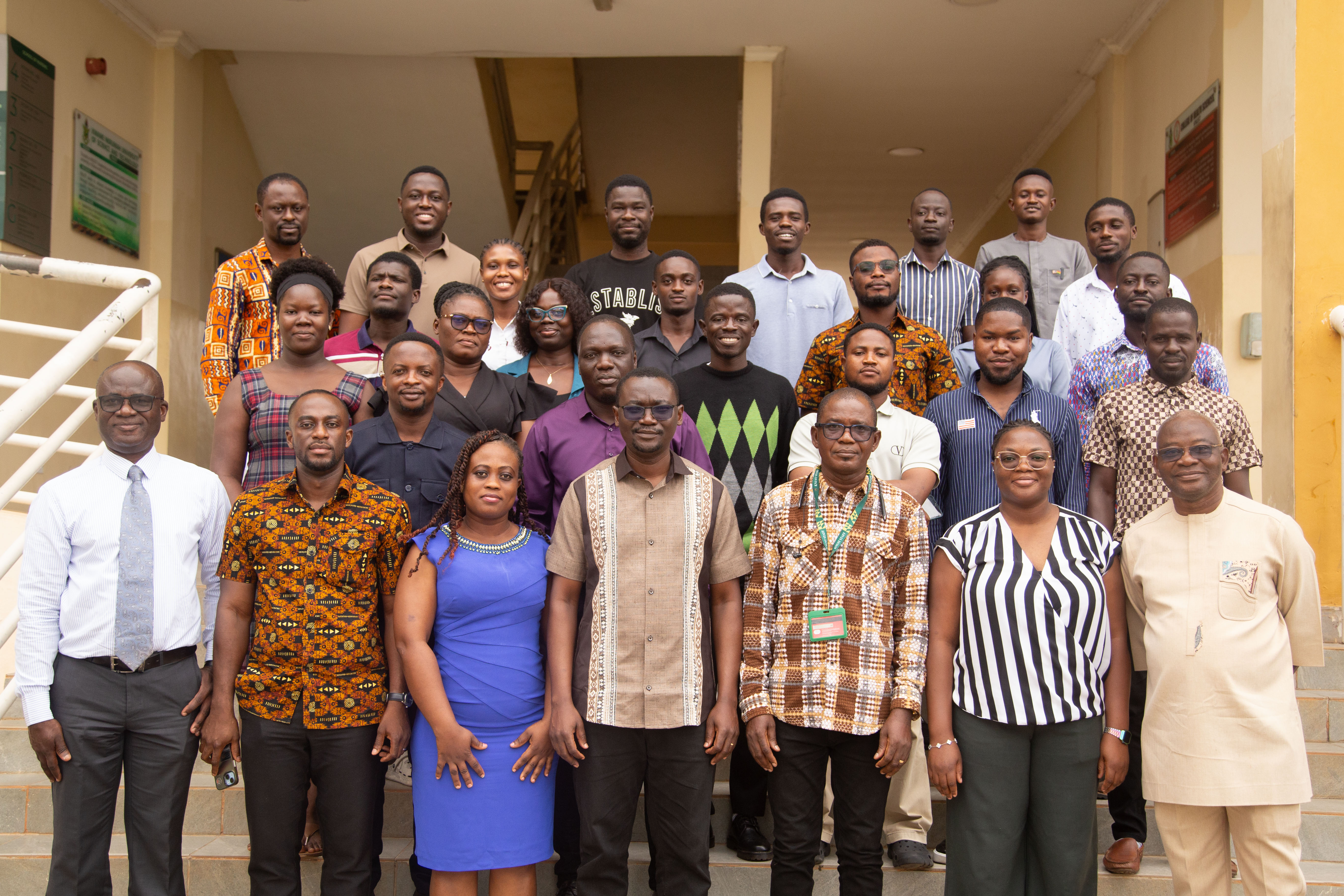
The three-day competency-based workshop, held from 21st to 26th September 2026 at the Nursing Block Conference Hall and the Allied Health Block (FF2 and GIDL), brought together frontline veterinary laboratory professionals to build practical capacity in the detection of priority zoonotic pathogens, including those responsible for Mpox, Marburg Virus Disease and Avian Influenza.
The training was organised in collaboration with the Veterinary Services Directorate, the Ghana Health Service and the Center for Health System Strengthening, with support from JHPIEGO.
Building Frontline Capacity for Early Detection
The initiative responds to the growing need to strengthen Ghana’s preparedness for infectious diseases that can move between animals and humans.
Ghana has in recent years recorded cases and outbreaks involving diseases such as COVID-19, Mpox, Marburg Virus Disease and Avian Influenza. While key national institutions, including the Accra Veterinary Laboratory and the Noguchi Memorial Institute for Medical Research, have developed considerable diagnostic expertise, strengthening capacity across the subnational and peripheral laboratory network remains critical.
Against this backdrop, the workshop sought to equip frontline veterinary laboratory personnel with the knowledge and practical skills required to identify high-consequence pathogens promptly and accurately.
Early and reliable detection is essential to enabling health authorities to initiate surveillance, containment and other public health measures before outbreaks spread beyond local settings.
From Theory to Hands-On Molecular Diagnostics
Designed around competency-based learning, the programme combined expert-led lectures, demonstrations, case discussions and practical laboratory sessions.
Participants, who had backgrounds in microbiology and related laboratory disciplines, were introduced to key areas including the epidemiology and transmission of zoonotic pathogens in Africa, diagnostic approaches for investigating zoonotic diseases, and specimen collection, handling and transportation, using Mpox as a practical proxy.
The training further covered nucleic acid extraction and molecular diagnostic workflows, pathogen detection using reverse transcription polymerase chain reaction (RT-PCR) and conventional molecular assays, as well as emerging technologies such as quantitative PCR (qPCR) and gel electrophoresis.
Laboratory Quality Management Systems (QMS), biosafety and biosecurity also formed an important component of the programme, underscoring the need for reliable laboratory results to be generated within safe and quality-assured systems.
On the final day, participants rotated through practical stations covering PCR setup, gel electrophoresis and results interpretation. The workshop concluded with a post-training assessment and participant evaluation to measure knowledge acquisition and identify areas for continued capacity development.

Multidisciplinary Expertise Driving the Training
The workshop was delivered by a multidisciplinary team of experts drawn from KNUST, the veterinary sector and development partners.
Facilitators included Dr Michael Owusu, Head of GIDL; Mr David J. Sambian, Quality Management Systems Expert and ASLM-certified Laboratory Auditor; Dr Benedict Sackey, Haematologist, KNUST; Mr Richard Larbi, Laboratory Scientist at GIDL; Dr Patrick Amponsah, Veterinarian at the Kumasi Veterinary Laboratory; Dr Kennedy Gyau, Clinical Microbiologist, KNUST; Dr Mabel Abudu, Regional Veterinary Officer; Dr James Sarkodie, Senior Technical Advisor, JHPIEGO; and Mr Ebenezer Kojo Adda, Programmes Coordinator, GIDL.
The multidisciplinary composition of the facilitation team reflected the integrated nature of zoonotic disease preparedness, where veterinary science, human health, laboratory diagnostics, quality management and public health must work together.

Advancing One Health and National Health Security
Beyond the acquisition of individual laboratory competencies, the training contributes to a broader national effort to strengthen Ghana’s health security architecture.
By extending molecular diagnostic capabilities closer to the point of disease detection, the initiative is expected to support earlier identification of priority pathogens, improve disease surveillance and facilitate timely, evidence-informed interventions.
The approach aligns strongly with the One Health framework, which recognises the interconnectedness of human, animal and environmental health and promotes collaborative action across sectors to address shared health threats.
For KNUST’s College of Health Sciences, the training also demonstrates the impact of leveraging academic expertise and specialised laboratory infrastructure to address pressing national health challenges.
Through GIDL and its network of collaborators, KNUST continues to contribute to the development of skilled human resources, advanced diagnostic capacity and research-driven solutions capable of strengthening Ghana’s preparedness for emerging and re-emerging infectious diseases.
The College of Health Sciences remains committed to advancing health education, research and service, while forging strategic partnerships that translate academic expertise into meaningful interventions for Ghanaian communities and the wider global health landscape.