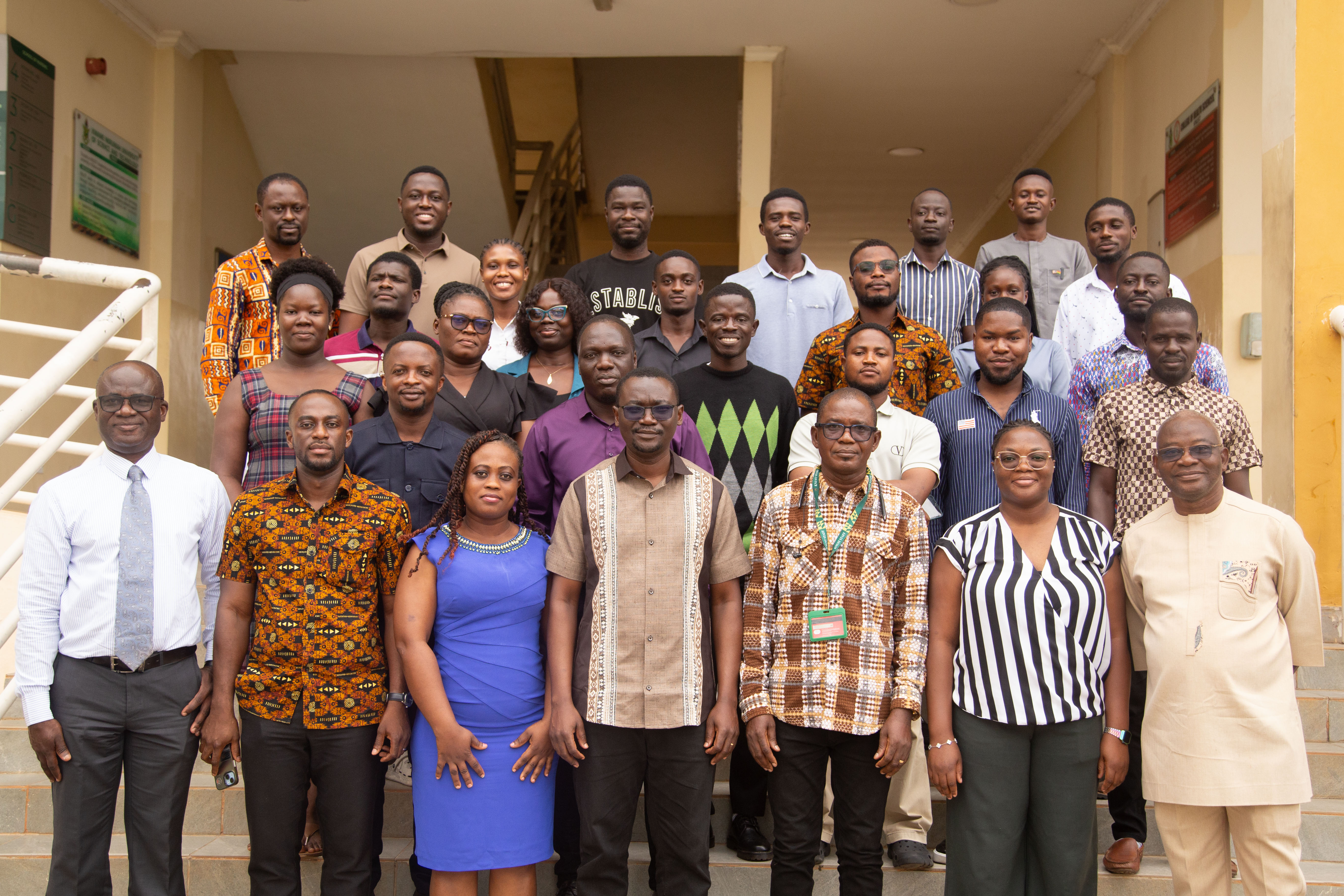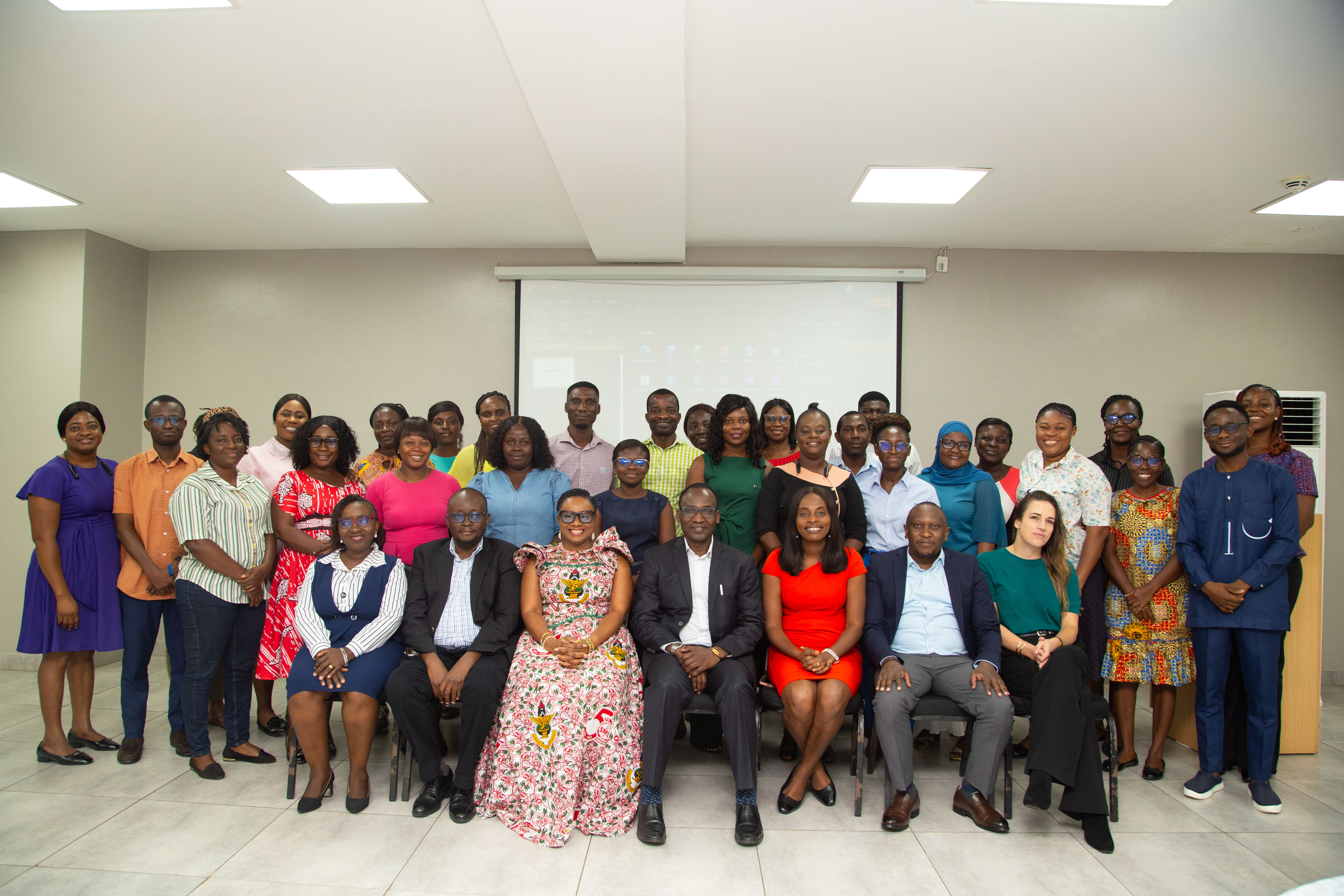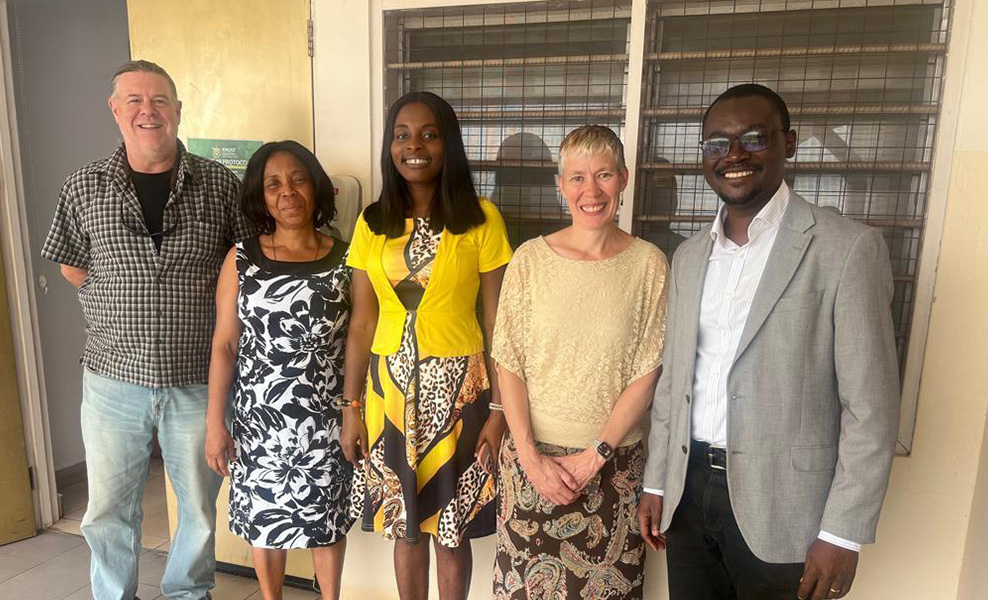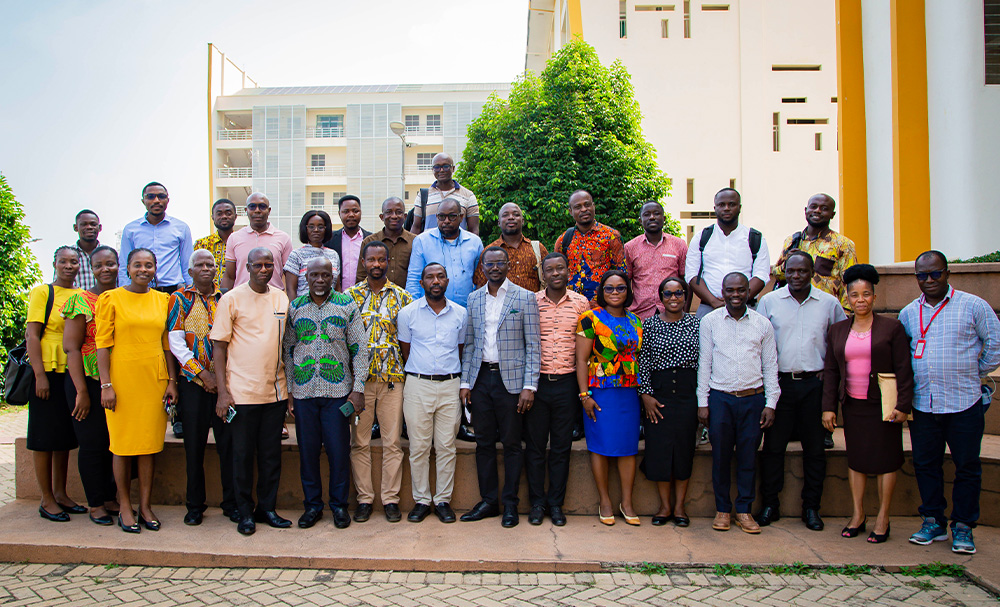
The Department of Medical Diagnostics at the Kwame Nkrumah University of Science and Technology (KNUST) has organized a Workshop for Clinical Instructors aimed at strengthening practical training and assessment of students as the University commences the 2025/2026 academic year.
The workshop, held on Tuesday, 13th January 2026, at FF1 of the Faculty of Allied Health Sciences, brought together clinical instructors from various training sites to orient them on key developments in the Department’s teaching and assessment approaches. The programme also served as a continuous professional development platform to ensure alignment between clinical instruction and the Department’s curriculum.
Speaking at the event, the Head of the Department of Medical Diagnostics, Dr. Michael Owusu, explained that the workshop was necessitated by the increasing number of students and the need to improve the quality of clinical training. He noted that the Department found it prudent to engage clinical instructors ahead of the academic year to introduce them to a new block system of practical teaching and to discuss more effective ways of assessing students at the clinical sites.

According to Dr. Owusu, the workshop was not only an orientation but also an opportunity to continuously educate instructors and help them realign their teaching methods with the Department’s curriculum. This, he said, is expected to enhance students’ clinical competence and overall learning experience.
Dr. Owusu further revealed that the Department is adopting a new block system for clinical training. He explained that under the previous system, students were expected to attend clinical sites continuously from the beginning to the end of the semester. “With the new block system, we try to reorganize the training such that within the first six weeks, students will have full contact hours of practical engagement at the clinical sites, and then the other six weeks will be spent on campus for theory sessions,” he stated.
The programme featured presentations on practical assessment of students and the block lecture system, followed by interactive discussions and question-and-answer sessions, allowing participants to share experiences and offer feedback on improving clinical instruction.
The Department expressed optimism that the outcomes of the workshop will lead to improved supervision, assessment, and clinical skills development among Medical Diagnostics students, ultimately contributing to the training of competent healthcare professionals.